全英文吃瓜

Oh, come on, you know you can't resist a juicy piece of gossip, right? Whether you're scrolling through your social media feed or catching up with friends over coffee, the allure of a good, old-fashioned \eat some瓜\ (a Chinese idiom that translates to \eat some gossip\) is just irresistible. So, let's dive into the world of \all-English eating of melons\ and explore why this trend is taking the internet by storm.
The Melon Explosion: A Global Phenomenon

If you think \eating melons\ is just a quirky Chinese pastime, think again. The concept has transcended geographical boundaries and become a global sensation. From Reddit to Twitter, and even on YouTube, the \all-English eating of melons\ has found a new audience. So, what's all the fuss about?
One of the main reasons for this explosion is the sheer entertainment value. Imagine watching someone, perhaps a celebrity or a random internet personality, dive into a pile of watermelons or other fruits, all while speaking in English. It's like a perfect storm of humor, surprise, and a touch of the bizarre. Plus, it's a great way to break the ice in conversations, especially when you're trying to connect with someone from a different cultural background.
The Melon Mania: A Dive into the Trend
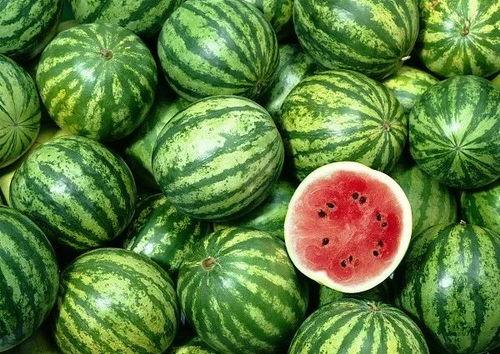
So, how did this trend start? According to a report by Buzzfeed, the \all-English eating of melons\ gained traction on Chinese social media platforms like Weibo and Douyin (TikTok's Chinese counterpart). Users would record themselves indulging in the delicious fruit, often with a humorous twist, and share it with their followers. Before you knew it, the videos were going viral, and the trend was born.
One of the most popular videos in this genre features a man named Wang Zhihao, better known as \Melon Man.\ In the video, he's seen eating a massive watermelon while dressed in a superhero costume. The video has amassed millions of views and has inspired countless模仿 (mimics) worldwide.
The Allure of the English Language
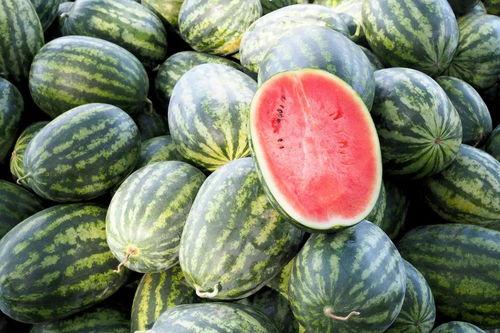
One might wonder why the English language has become such a central part of this trend. The answer lies in its global reach and the sense of community it fosters. English is the lingua franca of the internet, and using it in this context creates a sense of unity among viewers from different corners of the world. It's a way to bridge cultural gaps and share a moment of joy and laughter.
Moreover, the use of English adds an extra layer of entertainment. It's not just about the act of eating melons; it's about the language and the humor that comes with it. Viewers can appreciate the clever puns, wordplay, and cultural references that are often included in these videos.
The Impact on Social Media
The \all-English eating of melons\ has had a significant impact on social media platforms. It has sparked conversations, encouraged users to share their own experiences, and even inspired challenges. For instance, the EatSomeMelons challenge on TikTok has gained thousands of participants, each sharing their own version of the trend.
This trend has also highlighted the power of social media in shaping popular culture. It's a testament to how quickly a viral phenomenon can spread and how it can bring people together, regardless of their location or background.
The Future of Eating Melons in English
As the \all-English eating of melons\ continues to gain momentum, it's hard to predict where it will go next. Will it evolve into something new, or will it remain a quirky internet trend? Only time will tell, but one thing is for sure: it's here to stay, and it's only getting juicier.
So, the next time you're scrolling through your social media feed and come across a video of someone eating melons in English, take a moment to appreciate the humor, the language, and the sense of community it brings. After all, in the world of \all-English eating of melons,\ there's always something new to discover and enjoy.







最新文章
-

潍坊吃瓜热点
2026-05-06 -

最精神的吃瓜
2026-05-06 -

韩城吃瓜的抖音
2026-05-06 -

宝宝秋天吃哈密瓜
2026-05-06 -

狗头瓜和红小豆一起吃吗,狗头瓜与红小豆的搭配食用指南
2026-05-06 -

吃瓜丝瓜茄子,吃瓜、丝瓜、茄子,美味与营养共存
2026-05-05 -

免费吃瓜群,揭秘网络社交新潮流
2026-05-05 -

吃瓜群众低保大爷
2026-05-05
热门文章
-

网红好看的视频吃瓜,一场视觉与味蕾的双重盛宴
2025-08-16 -

北京朝阳吃瓜群众网,吃瓜群众网带你领略京城美食风采
2025-08-16 -

版纳男人吃瓜,探寻男人与瓜果的奇妙缘分
2025-10-01 -

弋阳吃瓜群众事迹,见证时代变迁的民间观察者
2025-10-02 -

明星大侦探第九季,悬疑升级,明星侦探团再战迷雾之谜
2025-08-16 -

网红妹妹吃瓜视频大全,趣味横生,笑料百出
2025-08-16 -

潜规则的读音,潜规则下的职场生存智慧
2025-08-16 -

热门大瓜汇总 独家爆料欧弟生活趣事,独家爆料带你领略明星日常
2025-08-16